Womens rehab Phoenix
Womens rehab Phoenix searches often start with a simple question about where to turn. Within 25 miles of Phoenix, 113 SAMHSA-listed programs serve women. This page explains the types of care, how to check coverage, and what to ask before you call.
- programs in Phoenix
- 113
- take Medicaid
- 99

When you call a helpline, a treatment advisor will ask a few basic questions: what substances are involved, whether you have insurance, and whether you need medical supervision. That is not an intake. It is a short conversation to narrow the list. You are not committing to anything. You can call back later with more information, or call a different number. The goal is to understand options before making a decision.
The options for womens rehab in Phoenix generally fall into three groups: inpatient or residential, outpatient, and detox or withdrawal management. Many Phoenix drug rehab centers offer both inpatient rehab and outpatient programs so you can step down as your needs change. The right level depends on how long substances have been used, whether there are co-occurring disorders, and what kind of support is available at home. A program that fits one person's life may not fit another's, and that is normal.
Questions to ask a treatment program
- Do you offer women-only groups or women-only living areas, and can I see the schedule?
- How do you handle childcare, family visits, and children staying with me, if at all?
- Are you licensed to treat co-occurring disorders, and is psychiatric medication management available?
- Do you accept my insurance, Medicaid, or a sliding scale, and what will I owe before I start?
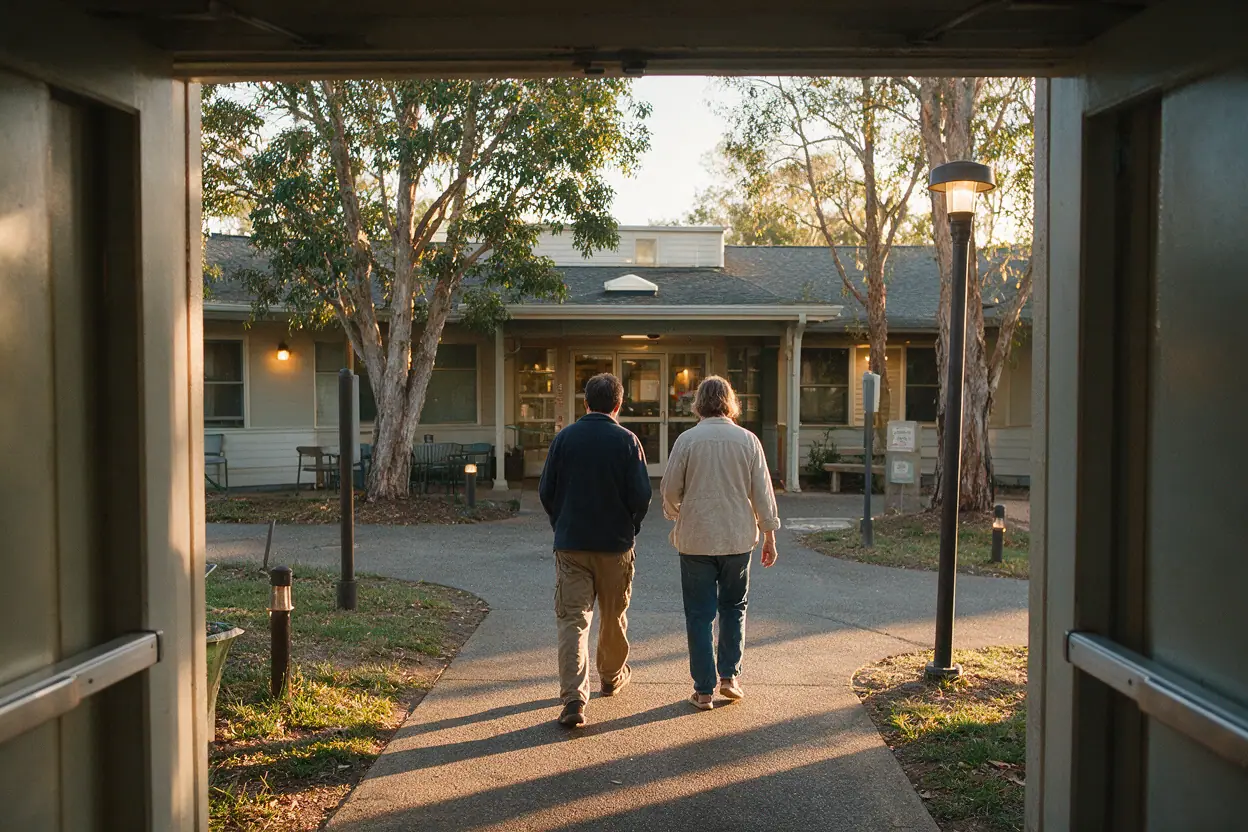
Why a program built for women matters
Women come to treatment with different pressures than men. Childcare, pregnancy, trauma history, and the fear of losing custody often shape when and how they seek help. A women-only rehab in Phoenix can offer childcare support and trauma-informed counseling that acknowledges these pressures. SAMHSA-listed programs that serve women often offer women-only groups and family visits. If you have children, ask directly how they handle childcare and family visits. If you are pregnant, ask whether they can coordinate with prenatal care. These are practical questions, not judgments.
The type of therapy offered matters too. Women with a substance use disorder often also have depression, anxiety, or post-traumatic stress. A dual diagnosis approach treats both at once. When a Phoenix rehab center offers dual diagnosis services, you avoid repeating your story to multiple providers. Ask whether the program is licensed to treat mental health conditions and whether psychiatric medication management is available on site. If you aren't sure what level of care you need, a treatment advisor can explain residential versus outpatient before you call a program.

What is listed in Phoenix
SAMHSA FindTreatment.gov listings for the Phoenix area, updated November 2026, show 200 facilities within 25 miles, and 113 of them serve women. Of the 113 women-serving facilities, 23 are residential and 90 are outpatient. On insurance, 99 accept Medicaid and 91 accept private insurance. That gives you real options: if you need inpatient care, call residential programs first. If you need to keep working or care for family, start with outpatient. If you have AHCCCS, ask for the Medicaid-accepting list. The numbers also show outpatient is far more common than residential, so finding an inpatient bed may take calls to several programs. If you are searching for rehab in Phoenix AZ, start with the SAMHSA-listed centers and confirm each program's current availability.

- take Medicaid
- 99
- take private insurance
- 91
- take Medicare
- 63
- provide reduced-fee scale
- 37
| Location | Location | Services | Takes |
|---|---|---|---|
| Valle del Sol | Phoenix | Outpatient, OTP | Medicaid, Medicare, Insurance, Sliding fee |
| Haven Behavioral Hospital of Phoenix | Phoenix | Detox | Medicaid, Medicare, Insurance |
| Southwest Behavioral and Health Servs | Phoenix | Outpatient, OTP | Medicaid, Medicare, Insurance, Sliding fee |
| Grossman and Grossman Ltd | Phoenix | Outpatient | Medicaid, Medicare, Insurance |
| Native American Connections Inc | Phoenix | Residential | Medicaid |
| Denova Collaborative Health | Phoenix | Outpatient | Medicaid, Medicare, Insurance |
| Denova Collaborative Health | Phoenix | Outpatient | Medicaid, Medicare, Insurance |
| Terros Behavioral Wellness | Phoenix | Outpatient | Medicaid, Medicare, Insurance, Sliding fee |
Based on SAMHSA FindTreatment.gov listings. Offerings and payment options shift; call to verify.
Questions
Does AHCCCS cover inpatient rehab for substance abuse?
AHCCCS is Arizona's Medicaid program and may cover inpatient rehab for substance use disorder, though coverage depends on medical necessity and the particular program. Of the 113 SAMHSA-listed facilities for women in Phoenix, 99 accept Medicaid. Call the program directly and ask whether they are in-network with AHCCCS and what documents they need. A treatment advisor can also help you understand your plan's behavioral health benefits before you commit to any program.
How do people afford to go to rehab?
Treatment might be covered by private insurance, Medicaid, or your own funds. According to SAMHSA listings, 99 of Phoenix's 113 facilities serving women take Medicaid, and 91 take private insurance. If you lack coverage, ask about sliding-scale fees or state-funded beds. Federal parity law means many insurance plans must cover substance use treatment largely as they cover medical care. Phoning the helpline costs nothing and requires nothing from you.
How long is the average stay in inpatient rehab?
Inpatient stays vary by program, but many residential programs run 28 to 90 days, with some longer. The SAMHSA listings do not provide average lengths, so ask each program directly. When you call, ask how long their typical residential stay is and whether they offer step-down to outpatient. If you have obligations at home, an outpatient program may fit better, but if withdrawal risk is high, medical supervision in a residential setting may be safer.
What is the drug problem like in Phoenix, Arizona?
Phoenix is like most large cities: alcohol, methamphetamine, and opioids are all present. SAMHSA listings show the area has 200 facilities, 113 of which serve women, which suggests plenty of variety. Concerned about a specific substance? Call a program directly and ask whether they offer medication-assisted treatment such as suboxone for opioid use disorder. Alcohol and benzodiazepine withdrawal can be unsafe, so a clinician ought to monitor it.
What should I look for in womens rehab Phoenix programs?
Programs for women in Phoenix should provide women-only groups, trauma-informed counseling, and straightforward rules about childcare and family visits. Among the 113 SAMHSA-listed facilities serving women, 90 are outpatient and 23 residential. Ask if your insurance works there (91 take private insurance, 99 take Medicaid) and if co-occurring disorders are treated. A treatment advisor can walk you through these details by phone at no cost, with no pressure.