Rehabs Phoenix care guide
Rehabs Phoenix is a plain guide to what is listed here. We count 200 facilities in the area, according to SAMHSA. This page explains each level of care before you call.
- listed facilities
- 200
- provide detox
- 42
- take Medicaid
- 172
Overdose data and what it means locally
In the 12 months ending May 2026, the Phoenix area recorded 2,807 overdose deaths, a 2% decrease from the period before, according to CDC provisional counts. Opioids were a factor in 2,072 of them and fentanyl in 1,862. Methamphetamine was involved in 1,619 deaths, a 12% drop from the prior period, while cocaine deaths rose 38% to 433. Heroin deaths fell 25% to 36. These figures are provisional and may be revised.
Those numbers explain why local programs screen for multiple substances rather than one. Fentanyl appears in a large share of opioid deaths, and meth is involved in many of the same deaths, so a program that tests only for opioids may miss part of the picture. If you are choosing between a single-substance program and one that treats co-occurring use, then ask how each handles polysubstance use. The data also means take-home naloxone is worth asking about at intake. Our helpline advisors can point you toward programs that offer it.
| Drug | Past year | Prior year | Difference |
|---|---|---|---|
| Overdoses from all drugs | 2,807 | 2,866 | -2% |
| Any opioid | 2,072 | 2,083 | -1% |
| Fentanyl and synthetic opioids | 1,862 | 1,871 | 0% |
| Heroin | 36 | 48 | -25% |
| Opioids that are prescribed | 223 | 221 | +1% |
| Methamphetamine | 1,619 | 1,837 | -12% |
| Cocaine | 433 | 314 | +38% |
CDC provisional figures, 12 months ending May 2026. Numbers for recent months may increase as reports arrive.
Phoenix levels of care
Rehabs Phoenix breaks care into steps, and the right step depends on withdrawal risk and daily structure. Across the area, you can compare 42 medical detox programs and 40 inpatient rehab centers in Phoenix on the same list, alongside 64 partial hospitalization programs and 97 intensive outpatient options. Outpatient care is the most common: 162 facilities offer it. If someone drinks heavily or uses benzodiazepines daily, then medical supervision during withdrawal matters, so start with detox or hospital-based care rather than a standalone outpatient program. Hospital-based programs number 25.
How much time you give over depends on the level of care. With residential or inpatient rehab, you live at the facility for a set period, whereas outpatient rehab programs in Phoenix let people keep working while attending sessions. Intensive outpatient falls in between, with several visits each week. Medication for opioid use disorder appears at 140 facilities, among them 21 opioid treatment programs that dispense methadone. If cost or distance rules out residential care, partial hospitalization or intensive outpatient may still supply structure. Before you choose, ask what each program includes.
Paying for rehab in Phoenix
In this region, Medicaid is the largest single payer, and Arizona chose to expand it. As a result, more low-income adults may qualify. Around 172 Phoenix facilities list Medicaid as a payment option, and 94 accept block grant funds that can help people with no coverage at all. Private insurance is taken at 161 facilities, Medicare at 111, and TRICARE at 122. If your network is narrow, call the number on your insurance card before you book an assessment, because network status changes what you pay. Federal parity rules mean most plans must cover substance use care at levels similar to medical care.
Not every cost is covered, so ask specific questions. Sliding fee scales are offered at 59 facilities, and 34 report some form of financial assistance. Self-pay is listed at 186. No facility in this listing reports fully free care, so plan for some cost even with help. If you are uninsured, then start with the 59 sliding-fee rehabs Phoenix lists rather than assuming you cannot afford care. Ask each program what the intake assessment costs, whether detox is billed separately, and what happens if you leave early.
- take Medicaid
- 172
- take private insurance
- 161
- take Medicare
- 111
- provide reduced-fee scale
- 59
Commonly chosen facilities near Phoenix
-
Sun City WestAZ
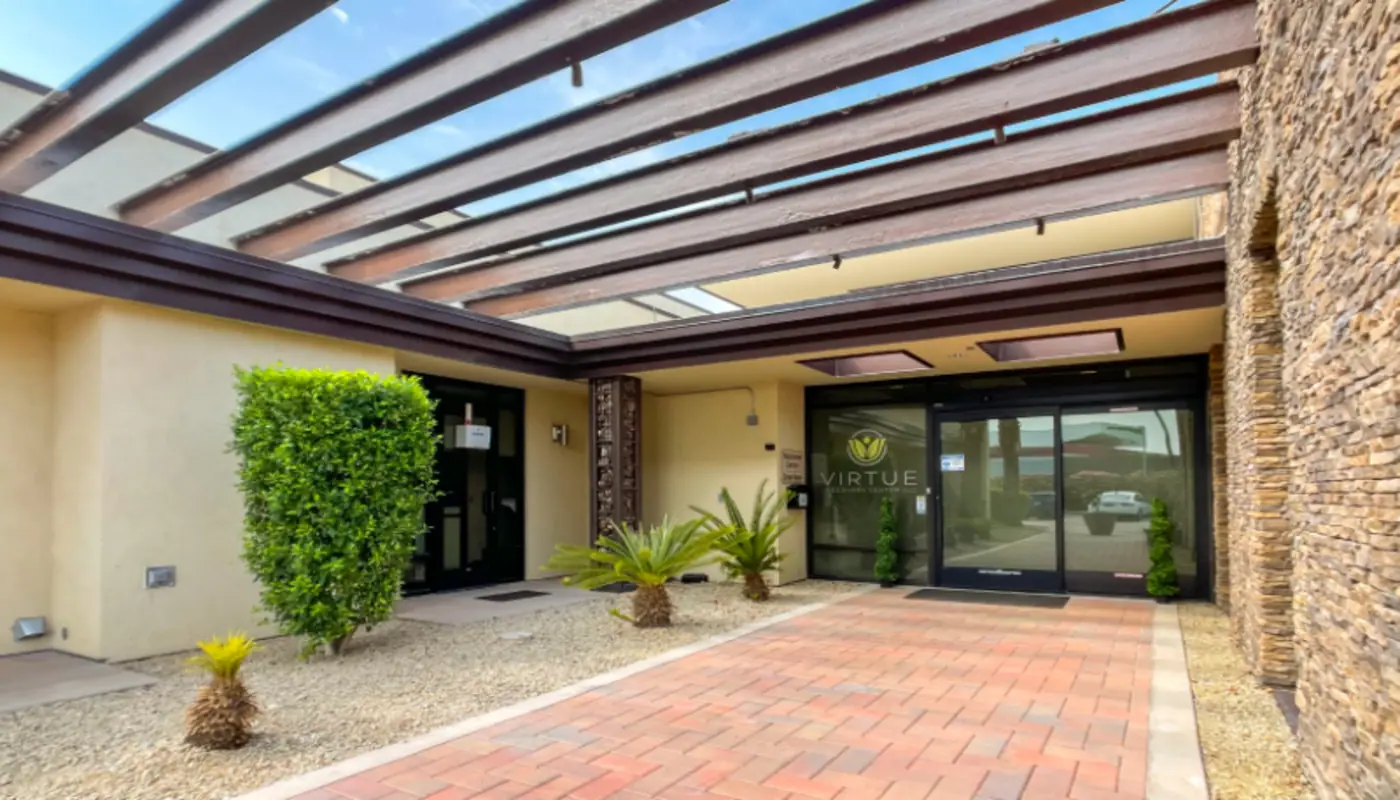
Virtue Recovery Detox Sun City West
4.6/5122 Google reviews
Commission accreditedTypical stay 10 days
Virtue Recovery Detox Sun City West delivers medical detox and treats co-occurring disorders.
- Detox
- Co-Occurring Mental Health
-
ScottsdaleAZ
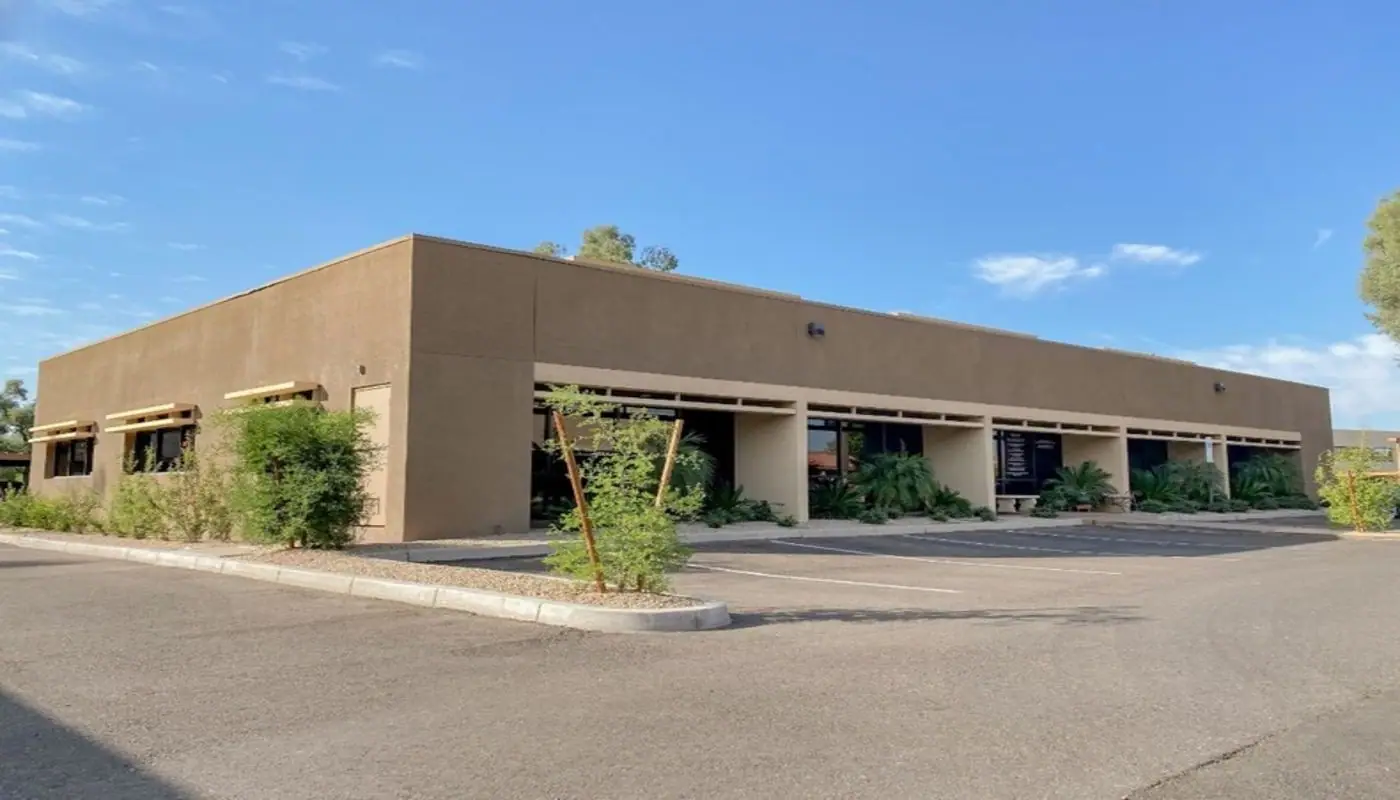
Sierra at Scottsdale
4.0/569 Google reviews
Commission accreditedTypical stay 90 days
Sierra at Scottsdale delivers outpatient mental health services in Scottsdale, Arizona.
- Outpatient
- Co-Occurring Mental Health
-
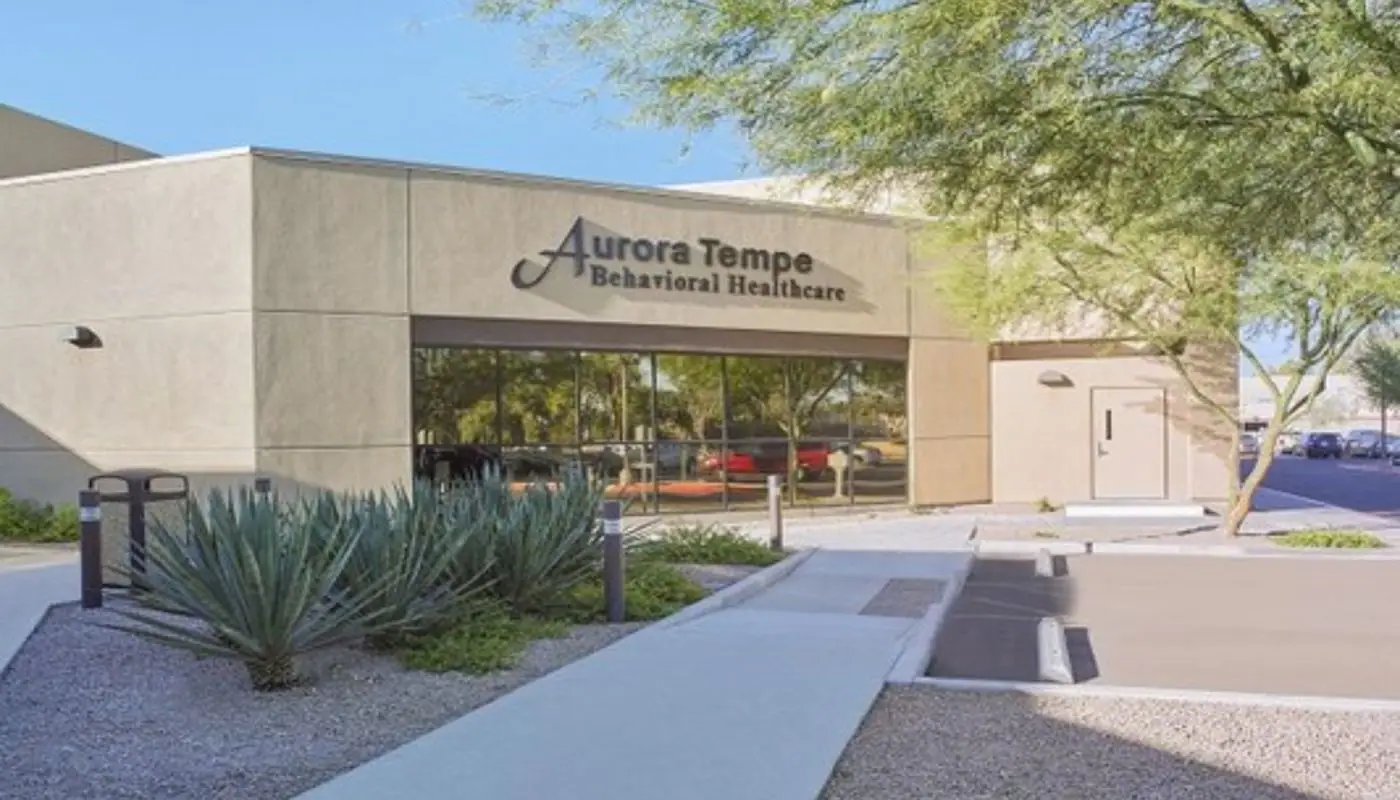
TempeAZ
Aurora Behavioral Health
3.7/5454 Google reviews
Commission accreditedTypical stay 28+ days
Aurora Behavioral Health Tempe is a psychiatric hospital on South Maple Avenue.
- Detox
-
PhoenixAZ
Recovia Midtown
4.9/544 Google reviews
Commission accreditedTypical stay 5 days
Recovia Midtown is an outpatient clinic on East Coronado Road.
- Outpatient
- Detox
-
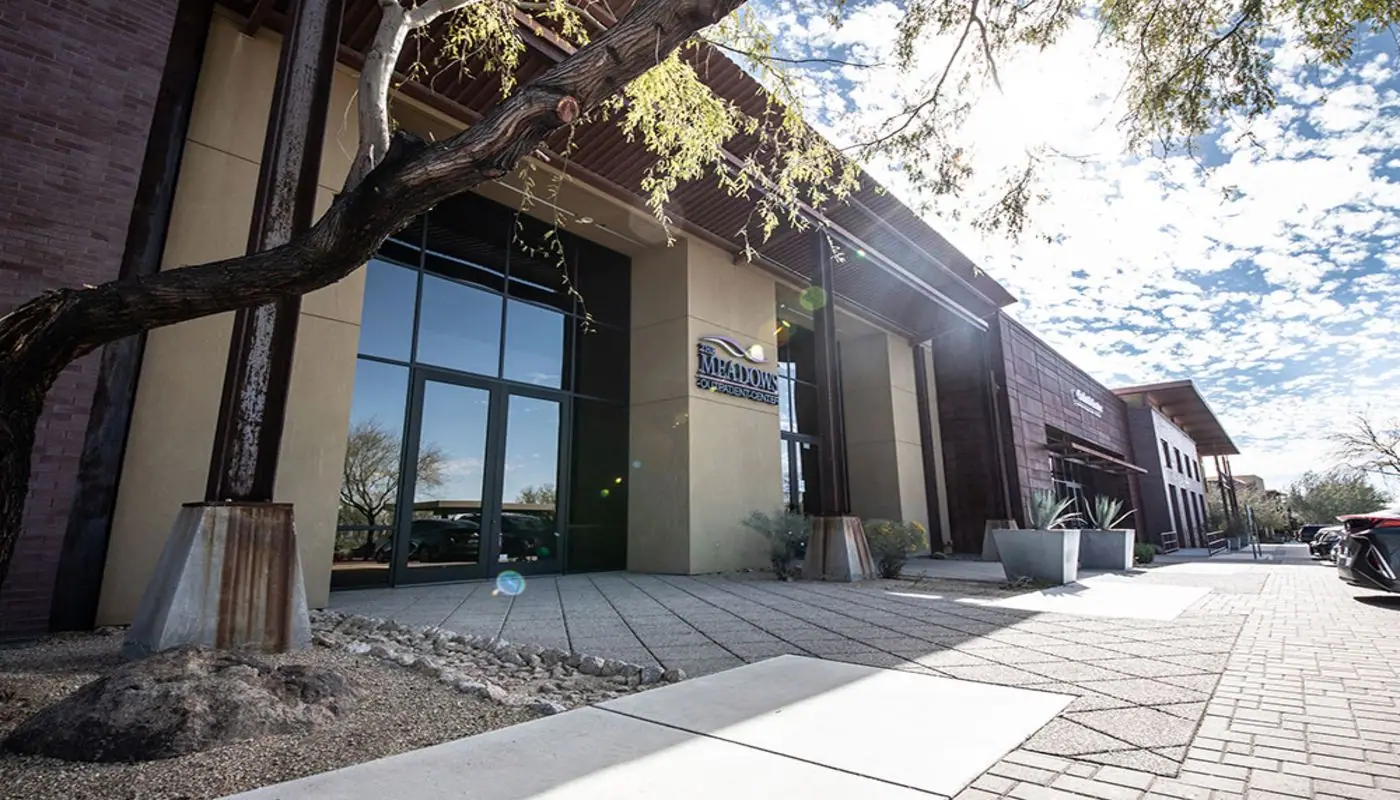
SCOTTSDALEAZ
The Meadows Outpatient Scottsdale
3.3/532 Google reviews
Commission accredited
The Meadows Outpatient Scottsdale is an outpatient program for substance use and mental health concerns.
- Outpatient
-
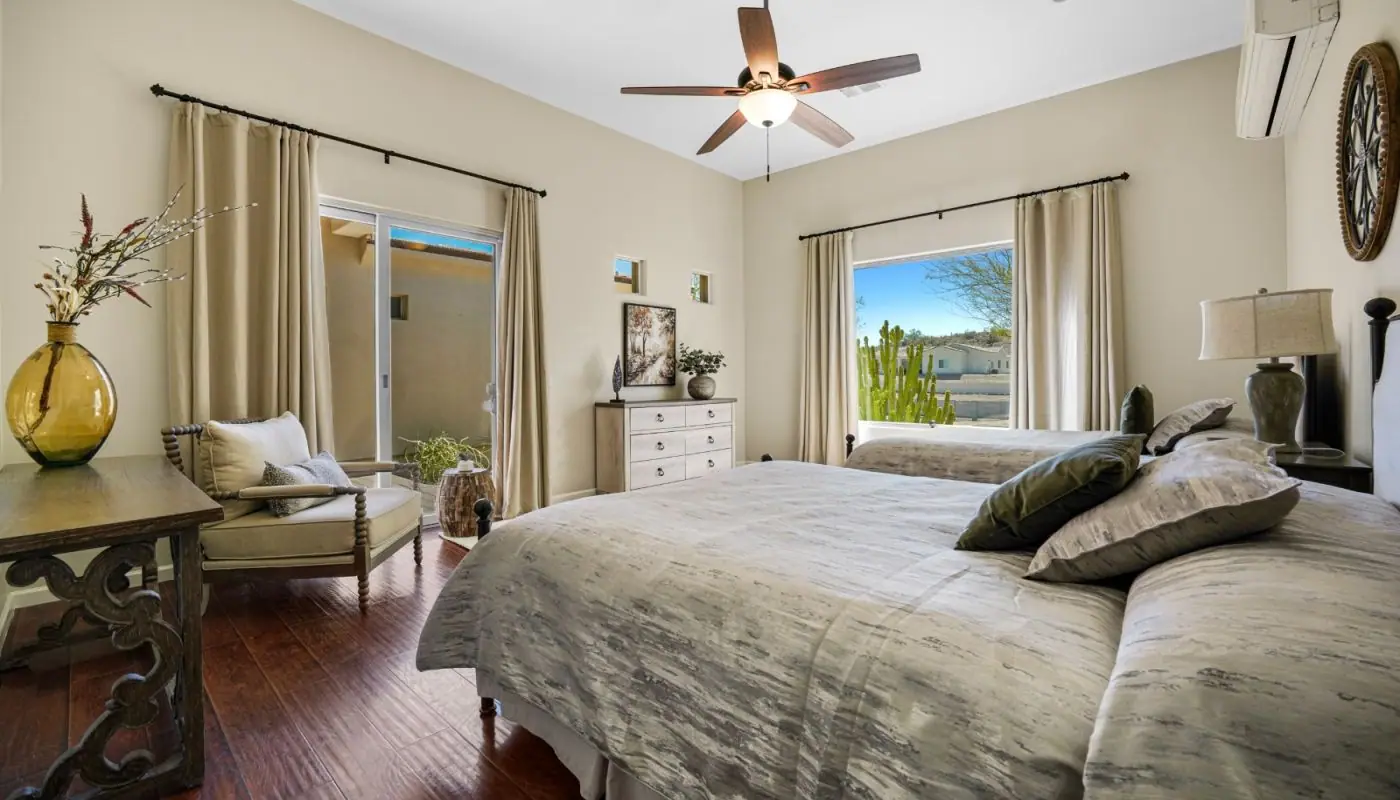
PhoenixAZ
Rock View Recovery Residential
5.0/547 Google reviews
Commission accreditedTypical stay 45 days6-15 beds
Rock View Recovery Residential Phoenix is a small residential program in north Phoenix.
- Residential Rehab
-
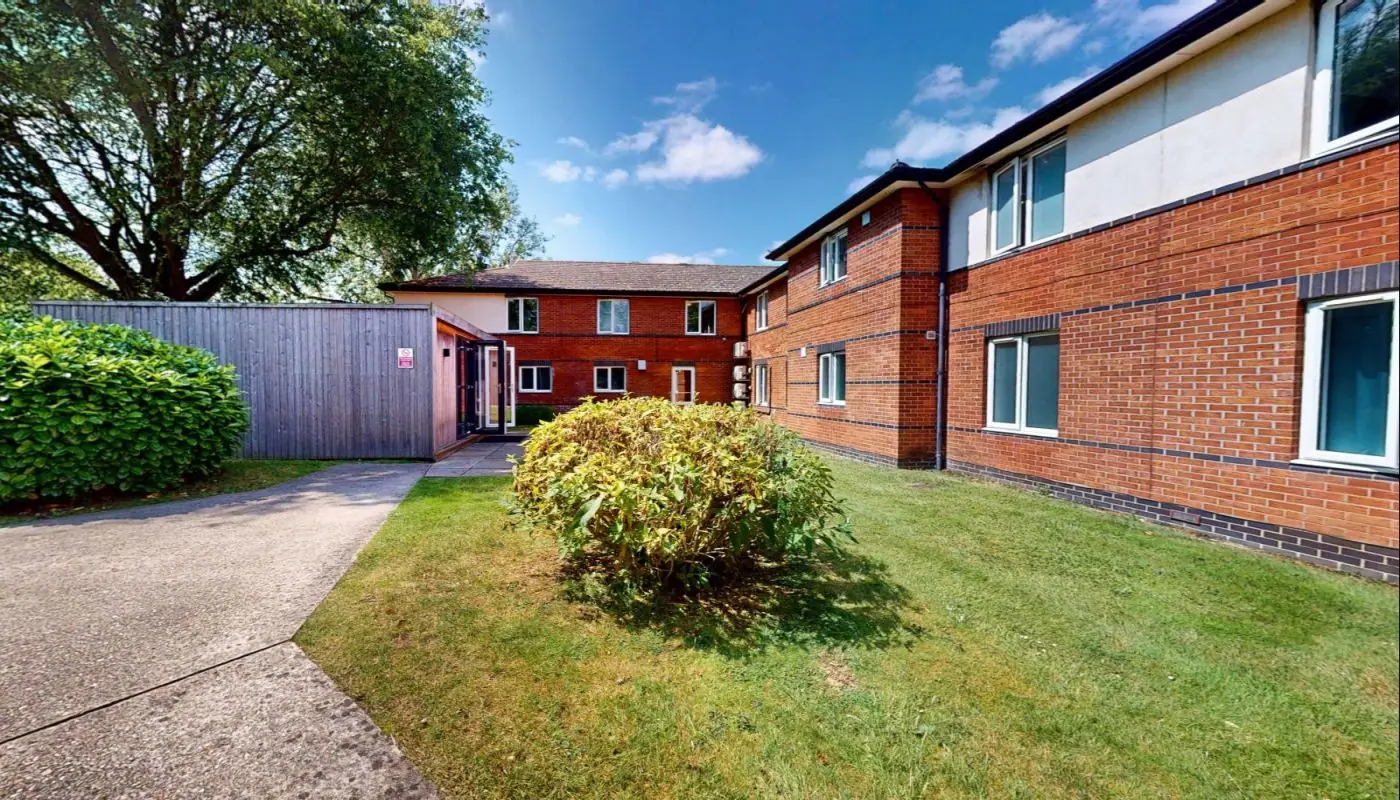
PhoenixAZ
Sanctuary Lodge
Typical stay 28 days16-30 beds
Sanctuary Lodge is a residential drug rehab located in Phoenix.
- Residential Rehab
- Detox
- Co-Occurring Mental Health
-
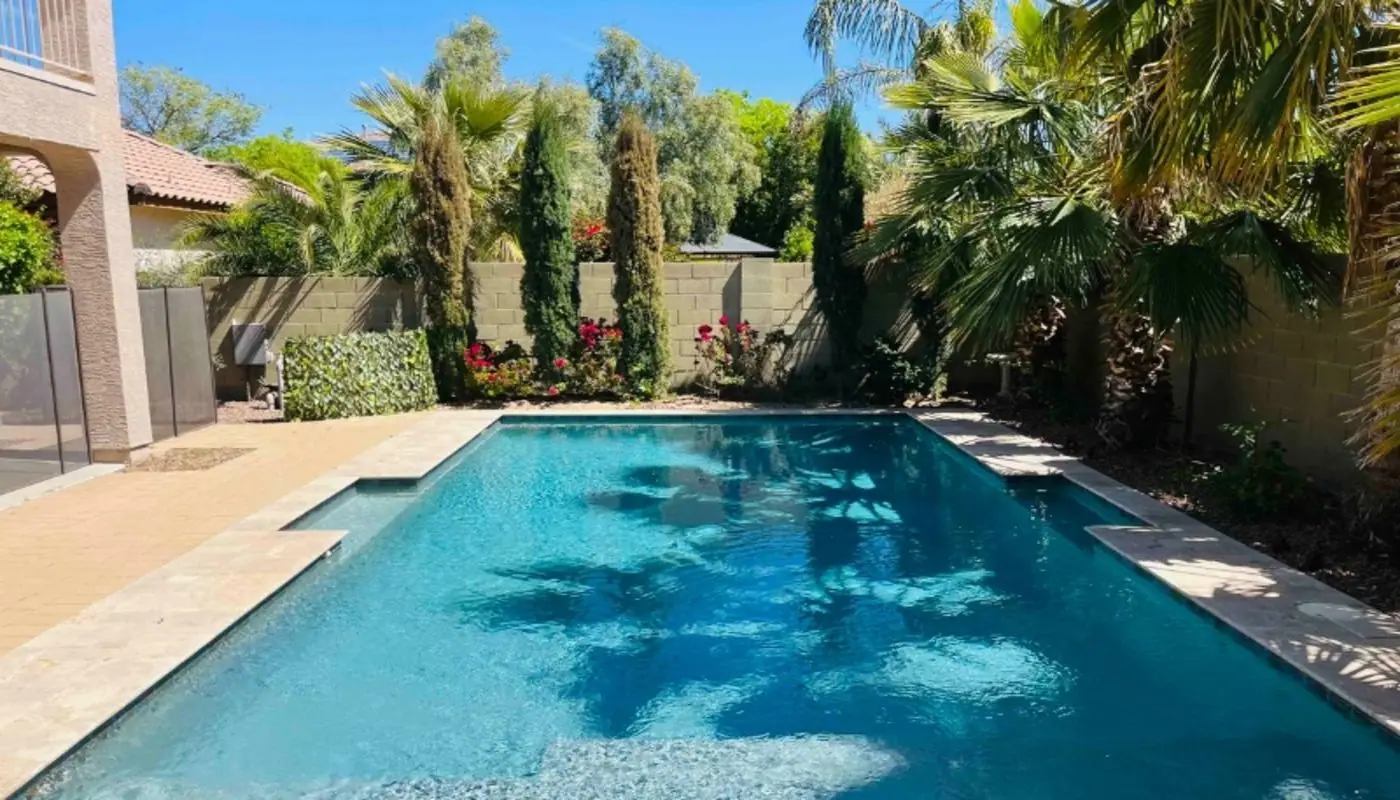
GoodyearAZ
Algamus Gambling Recovery Center
4.7/531 Google reviews
Commission accreditedTypical stay 30 days6-15 beds
Algamus Gambling Recovery Center is a residential program in Goodyear built around gambling concerns.
- Residential Rehab
-
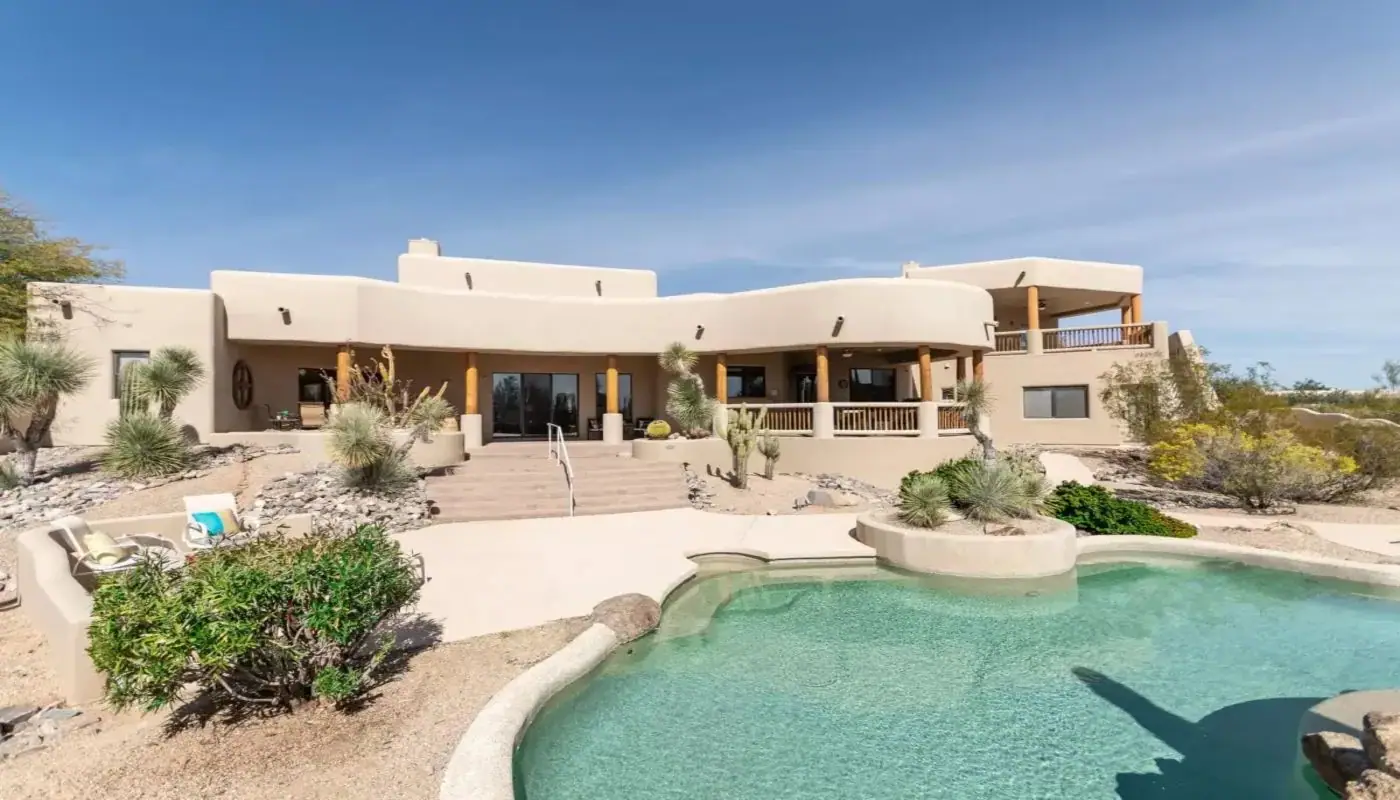
ScottsdaleAZ
Cornerstone Healing Center Scottsdale
4.8/5210 Google reviews
Commission accreditedTypical stay 60 days
Cornerstone Healing Center Scottsdale offers outpatient care at 16444 N 91st St.
- Outpatient
Alcohol and drug treatment in Phoenix
The substances people seek help for here shape which programs fit. Alcohol is the most common reason for admission, and 38 detox facilities list alcohol withdrawal support; 116 facilities offer medications for alcohol use disorder. For opioid use disorder, 140 facilities in Phoenix offer buprenorphine or other medication-assisted treatment, and 138 offer naltrexone. Methamphetamine treatment is listed at 25 detox facilities, and cocaine at 24. Benzodiazepine withdrawal also needs medical supervision at 30 detox facilities. If someone uses more than one substance, then a program with dual diagnosis capability and mental health services is worth asking about. Programs that treat co-occurring conditions are common; ask directly.

Rehabs near Phoenix
Many people look beyond the city line, and the numbers change by suburb. Mesa has 30 facilities, about 17 miles from central Phoenix, and Scottsdale has 22. Within roughly nine miles of the city center, Tempe lists 15 treatment centers in Arizona, while Glendale lists 12. Gilbert and Chandler each list 8, Avondale and Peoria each list 4. If you need to stay close to home for family or work, then a nearby suburb may open more options without a long commute. Travel time matters most for outpatient schedules that run several days a week.
What happens when you call for help
At any hour, a treatment advisor takes your call, and it is a person, not a recording. The conversation stays private and costs nothing, and you are not obliged to enter treatment. The advisor will ask what substances are involved and when the person last used, since withdrawal risk shapes the recommendation. Questions about insurance, location, children, or work schedules may follow. They do not diagnose. If someone is in immediate danger, use 988 or 911 instead.
Once those questions are settled, the advisor describes programs that fit and explains how the first day goes. They can check whether a facility takes your insurance or AHCCCS, Arizona's Medicaid program, and whether a sliding scale exists. When a program can't admit you today, the advisor should state that plainly instead of promising a bed. Advisors who place callers with licensed programs staff the helpline; this site does not provide treatment itself. Nothing is promised, and the aim is an accurate next step.

How the intake process usually works
- 1
Call and describe the situation
The advisor asks about substances, last use, and any medical conditions. This takes about 10 to 15 minutes. You do not need to decide anything yet, and the call is confidential.
- 2
Check coverage and cost
The advisor looks at your insurance, AHCCCS, or self-pay options and explains what each program charges. Ask about sliding scales at the 59 facilities that list them.
- 3
Complete a clinical assessment
A licensed clinician at the program reviews withdrawal risk, mental health history, and living situation. This determines the level of care: detox, residential, or outpatient.
- 4
Start care at the recommended level
If detox is needed, medical supervision comes first. Otherwise, you begin outpatient or residential care. Ask what the first week schedule looks like before you commit.
Common questions
How do people afford to go to rehab in Phoenix?
Start with coverage. About 172 facilities in Phoenix list Medicaid, and 161 accept private insurance. Medicare is accepted at 111 and TRICARE at 122. If you have no coverage, 59 facilities offer sliding fee scales and 94 accept block grant funds. Ask each program what the assessment costs and whether detox is billed separately.
Does AHCCCS cover inpatient rehab for substance abuse?
Because Arizona expanded Medicaid, AHCCCS may pay for residential and inpatient treatment among those who qualify. Medicaid is listed as a payment option at 172 facilities in this area. Whether it covers you hinges on medical necessity and the particular program. Before scheduling, call AHCCCS or have the facility's intake staff verify your eligibility.
What is the drug problem like in Phoenix, Arizona?
Provisional CDC figures covering the 12 months ending May 2026 count 2,807 overdose deaths locally. Opioids were involved in 2,072, fentanyl in 1,862, and methamphetamine in 1,619. Cocaine deaths climbed to 433, a 38% increase. These figures help show why area programs check for multiple substances at intake.
How long is the average stay in inpatient rehab?
How long someone stays varies by program and by that person's needs. The listings here give no single average we can point to. Residential rehab commonly runs several weeks to a few months, whereas detox is usually a shorter stretch with medical staff present. Ask any facility how long its program lasts and what the options are when more time is needed.
What are the types of rehabs available?
Within the area, SAMHSA listings show 42 medical detox programs, 40 inpatient or residential rehab programs, 64 partial hospitalization programs, 97 intensive outpatient programs, and 162 outpatient programs. Medication for opioid use disorder appears at 140 facilities, 21 of them opioid treatment programs. Which level fits you comes down to your withdrawal risk and the amount of daily structure that helps.
Can you provide a list of sober living homes in Phoenix?
This page does not list individual sober living homes; the counts here come from SAMHSA FindTreatment.gov, which focuses on treatment programs. For sober living options, ask the facility where you complete treatment, since many programs help with referrals. The helpline can also point you toward programs that offer housing assistance.