Overdose deaths Phoenix 2026 numbers
Overdose deaths Phoenix remain a serious concern for families across the Valley. In the 12 months ending May 2026, 2,807 people died from drug overdose, a 2% decrease from a year earlier. This page breaks down the figures and what they mean for seeking care.
- overdose deaths, 12 months
- 2,807
- shift since prior year
- -2%
- sites explain naloxone use
- 172
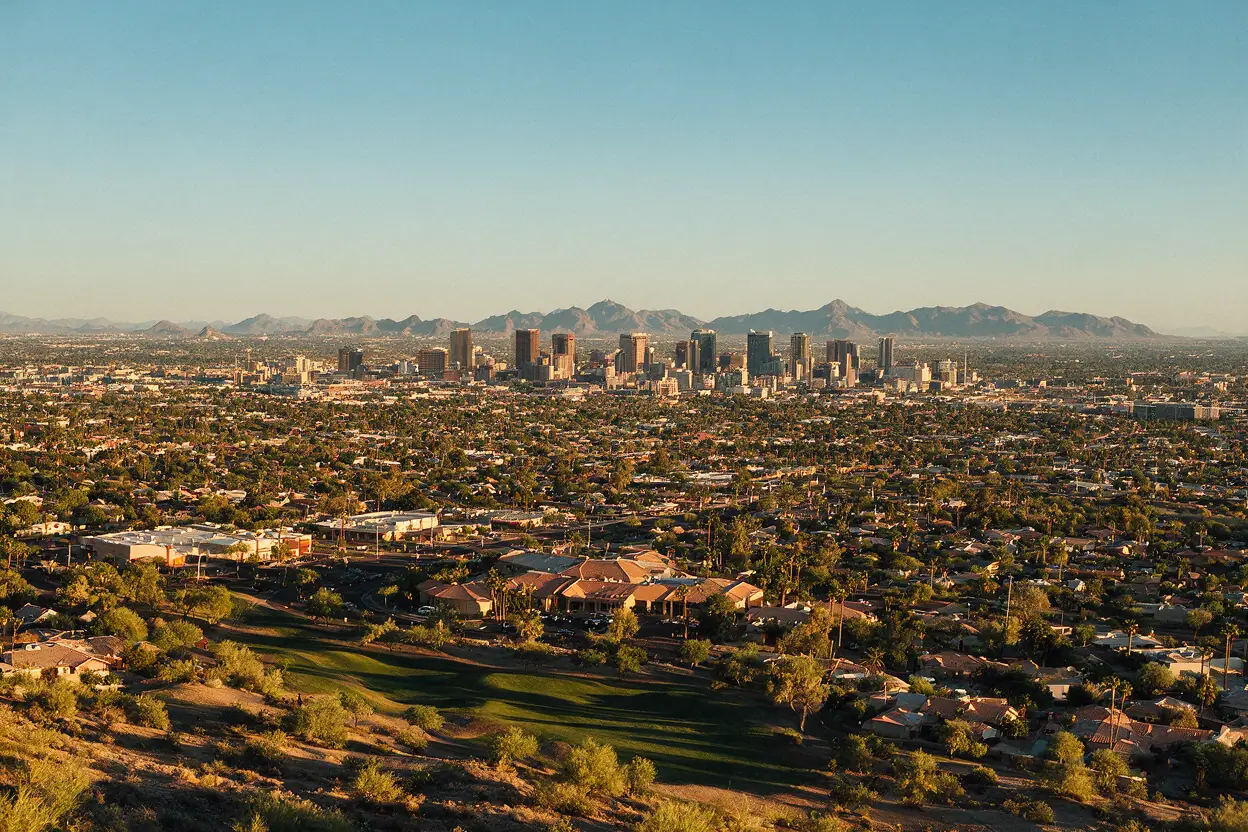
Perhaps you came here after hearing a figure in the news, or because someone close to you is struggling, and you want to understand what is truly happening in Phoenix. The numbers on this page come from CDC provisional overdose death counts for the 12 months ending May 2026, the latest period available. They show a slight overall decrease, yet the total remains high—2,807 deaths means a great many families in our community are grieving.
This site is not a treatment provider. We publish plain-language information for people considering care, and we maintain a free helpline staffed by treatment advisors who can explain options and check what is available. If you want to talk through what these numbers mean for your situation, call the helpline at 866-805-6772. The call is confidential, there is no obligation, and the advisors work with licensed providers across Arizona. Many Phoenix drug rehab centers offer assessments and can explain levels of care without requiring you to commit to anything. In the second paragraph of this intro, this bold anchor appears.
What the numbers mean for treatment
The data show that overdose risk is widespread, but effective treatments exist, including medications for opioid use disorder and behavioral therapies. If you are considering rehab for yourself or someone else, then knowing the local landscape helps: there are 200 facilities listed in the Phoenix area on SAMHSA FindTreatment.gov, including 42 offering detox, 40 residential, and 162 outpatient. Naloxone, which can reverse an opioid overdose, is available through 172 programs in the area; carrying it is a practical step many families take. With 200 SAMHSA-listed facilities in Phoenix, finding a program that fits your needs is possible.
Which level of care fits—detox, residential, or outpatient—depends on the substances involved, how risky withdrawal is, and the person's living situation. With alcohol or benzodiazepines, withdrawal can be hazardous so a medical team should monitor it. If alcohol withdrawal worries you, a clinician's oversight matters and should be set up before heavy drinking stops. Arizona Medicaid (AHCCCS) may cover some treatment services, and federal parity law generally means insurance plans must cover mental health and addiction care on par with medical care. Calling the helpline can help you compare Phoenix rehab programs and sort out insurance options with no pressure to commit.


Drug-specific overdose deaths in Phoenix
Fentanyl and other opioids account for the majority of overdose deaths in Phoenix, with 2,072 opioid-involved deaths in the 12-month period. Fentanyl alone was involved in 1,862 deaths, and prescription opioids in 223. Methamphetamine was involved in 1,619 deaths, cocaine in 433, and heroin in 36. These categories overlap because many deaths involve more than one substance. When you look at the drug-specific numbers, fentanyl and methamphetamine drive most of the fatal overdoses in Phoenix. The figures also reveal shifts by drug type: meth deaths dropped 12%, while cocaine deaths climbed 38% from the year before. If you are looking for drug rehab in Phoenix, then the drug involved can shape the recommended level of care—for example, opioid use disorder may be treated with medications such as buprenorphine or methadone, while stimulant use calls for other approaches. Arizona treatment programs listed through SAMHSA include outpatient and residential options that can address polysubstance use.
| Drug | Past year | Prior year | Difference |
|---|---|---|---|
| Overdoses from all drugs | 2,807 | 2,866 | -2% |
| Any opioid | 2,072 | 2,083 | -1% |
| Fentanyl and synthetic opioids | 1,862 | 1,871 | 0% |
| Heroin | 36 | 48 | -25% |
| Opioids that are prescribed | 223 | 221 | +1% |
| Methamphetamine | 1,619 | 1,837 | -12% |
| Cocaine | 433 | 314 | +38% |
CDC provisional figures, 12 months ending May 2026. Numbers for recent months may increase as reports arrive.
A small decline in overdose deaths
The newest tally reports 2,807 drug overdose deaths across the Phoenix area in the 12 months ending May 2026, versus 2,866 a year earlier—a 2% decrease. That is a small improvement, but it still averages roughly eight deaths each day across the region. Public health officials track these year-over-year shifts closely, since they can hint at whether prevention and treatment efforts are reaching people. Recent Phoenix overdose data shows a modest decline, yet thousands of families are still affected every year, which is why local treatment options remain important.
For someone weighing treatment, current risk matters more than the trend. If you are supporting a person with a substance use disorder, the ongoing death toll is a reminder that untreated opioid use can be fatal, and that an assessment can clarify the level of care needed. If you are looking for drug rehab in Phoenix, then the drug involved can shape the recommended level of care—for example, opioid use disorder may be treated with medications such as buprenorphine or methadone, while stimulant use calls for other approaches. Arizona treatment programs listed through SAMHSA include outpatient and residential options that can address polysubstance use. Many Phoenix drug rehab centers offer same-week assessments for people worried about overdose risk, and a call ahead can confirm what is available.
- past year
- 2,807
- prior year
- 2,866
Alcohol use and mental health in Phoenix
Proportion of adults in Phoenix versus Arizona, according to CDC PLACES estimates (2023).
| Measure | Phoenix | Arizona |
|---|---|---|
| Binge drinking | 16.3% | 15.5% |
| Frequent mental distress | 16.2% | 15.7% |
| Depression | 19.1% | 19.9% |
| Current cigarette use | 12.2% | 11.7% |
| Lack of health coverage (ages 18-64) | 17.3% | 13.7% |
Source: CDC PLACES, unadjusted prevalence among adults; the state rate is population-weighted across the places listed.
Binge drinking by city in Arizona
| Location | Binge drinking | Frequent mental distress | Lack of health coverage (ages 18-64) |
|---|---|---|---|
| Tempe | 18.3% | 16.6% | 10.7% |
| Mesa | 16.1% | 15.5% | 13.0% |
| Glendale | 15.7% | 16.7% | 17.6% |
| Scottsdale | 15.4% | 12.1% | 6.3% |
Source: CDC PLACES, unadjusted prevalence among adults; the state rate is population-weighted across the places listed.
Questions
What is the drug problem like in Phoenix, Arizona?
Overdose weighs heavily on Phoenix: 2,807 drug overdose deaths occurred according to the 12 months ending May 2026 CDC provisional data. Opioids, chiefly fentanyl, show up in most of them (2,072 opioid-involved), followed by methamphetamine (1,619). Cocaine deaths are rising, up 38% over the year before. These numbers make clear that drug use reaches across the community, and that treatment resources are available.
Does AHCCCS cover inpatient rehab for substance abuse?
AHCCCS, Arizona's Medicaid program, may cover some inpatient and outpatient substance use treatment for members who qualify, though coverage hinges on medical necessity and the particular plan. Since rules can differ, calling your plan or the helpline at 866-805-6772 can help you learn what is covered. The Phoenix area has 40 residential facilities listed, and some accept AHCCCS.
How do people afford to go to rehab?
There are three main ways to pay for rehab: private insurance, AHCCCS (Arizona Medicaid), or paying yourself. Under federal parity law, health plans usually have to cover substance use treatment similar to medical care, but deductibles and provider networks still affect what you pay. Some facilities offer sliding-scale fees. The helpline can help you compare choices and verify your plan's coverage. The area lists 162 outpatient programs, which usually cost less than residential care.
How long is the average stay in inpatient rehab?
No single average stay exists; length rests on clinical need, progress, and insurance authorization. Many residential programs run 28 to 90 days, while detox usually takes a few days to a week. Phoenix has 40 residential and 42 detox facilities listed. A treatment advisor can walk you through typical timelines and help you find a program matching your situation.
How long do most rehabs last?
How long rehab lasts depends on the level of care, usually a few weeks to several months. Detox generally takes days, residential care commonly runs 28 to 90 days, and outpatient programs may last weeks or months as visits taper off. Phoenix lists 162 outpatient programs and 40 residential facilities. A treatment advisor can help you compare timelines and find a program that fits your needs.
What are the types of rehabs?
Rehab types include detox, residential or inpatient, partial hospitalization, intensive outpatient, and standard outpatient programs. Some facilities offer medication-assisted treatment with buprenorphine, methadone, or naltrexone; 140 facilities in Phoenix list buprenorphine services. Dual diagnosis programs also treat co-occurring disorders. The helpline can explain each level of care and help you decide which fits your situation.